Review: Camaro 1mm Titanium Thermo Gloves
Good grip on the boom and warm enough?
The search for the perfect neoprene gloves for the cold season is a perennial topic. This winter, following a reader’s tip, we came across Camaro’s Titanium Thermo Gloves with 1mm neoprene thickness, tried them on at the boot trade show, and ordered a pair to test (available in three sizes at specialty retailers or directly from Camaro for a suggested retail price of EUR 69.95).
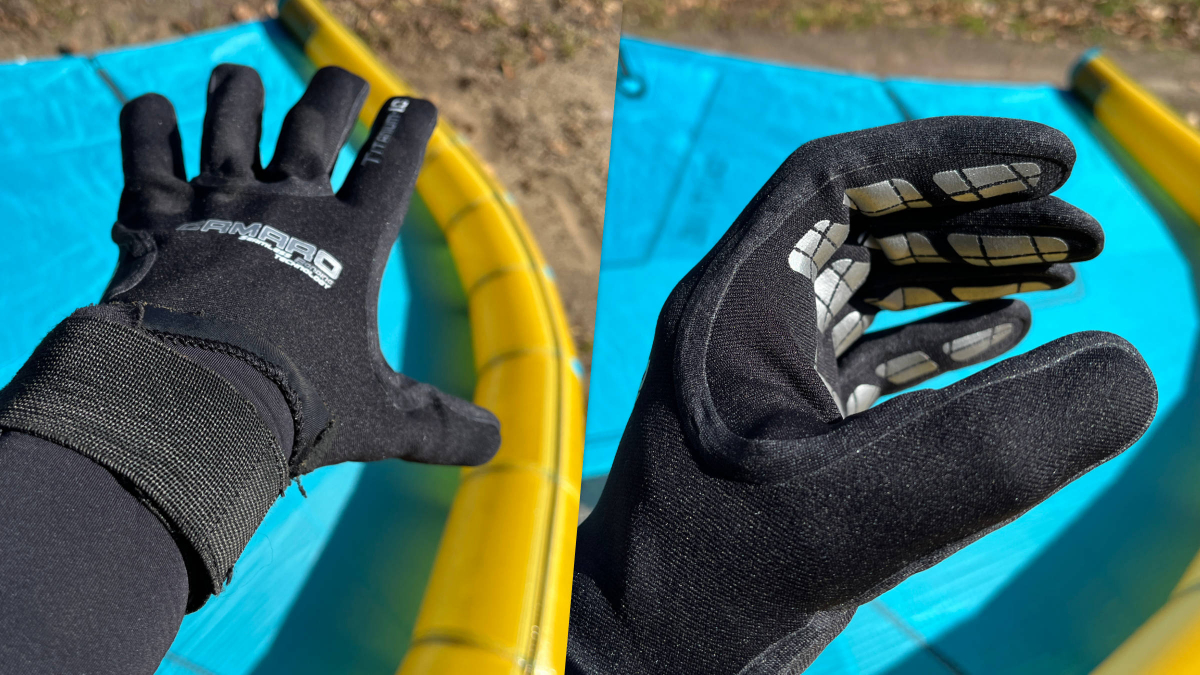
These black five-finger gloves have no seams; instead, they are bonded (seamless bonding) and are therefore waterproof. When you first unpack them, you can inflate them like a balloon - no air escapes, so they’re completely airtight (= waterproof).
Camaro calls the material "Titanium SCS Open Cell Neoprene" - double-laminated on the outside, with a silver-colored hydrophobic coating on the inside that causes water droplets to roll off and ensures quick drying.

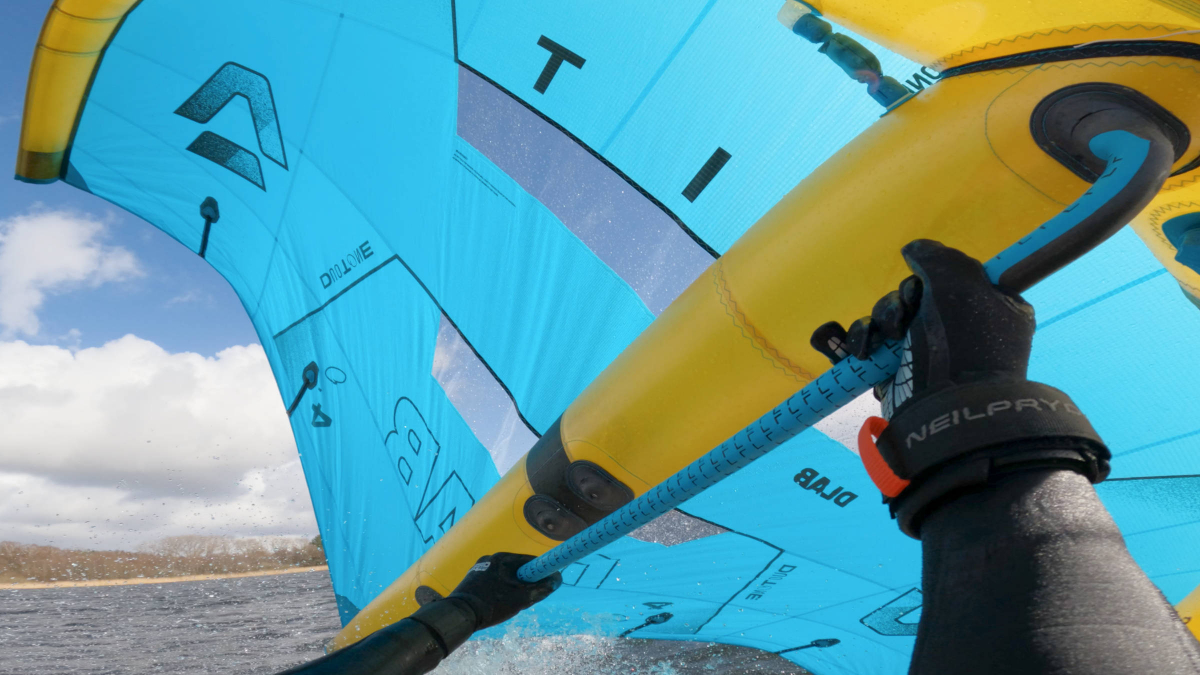
With a material thickness of 1 millimeter, these water sports gloves are thin enough to allow you to grip the boom effortlessly. To ensure the gloves fit as loosely as possible and don’t create any resistance when closing your hand, we ordered them one size larger. So, for a standard glove size of L, we chose the XL/XXL model from Camaro.
While this makes the fingers a bit too long, the palm fits perfectly into the glove - the material doesn’t feel tight when gripping, ensuring a fatigue-free grip. Due to its structure, the 1-millimeter-thick neoprene material forms a heat-insulating layer (compare this to our previous surf glove tests).
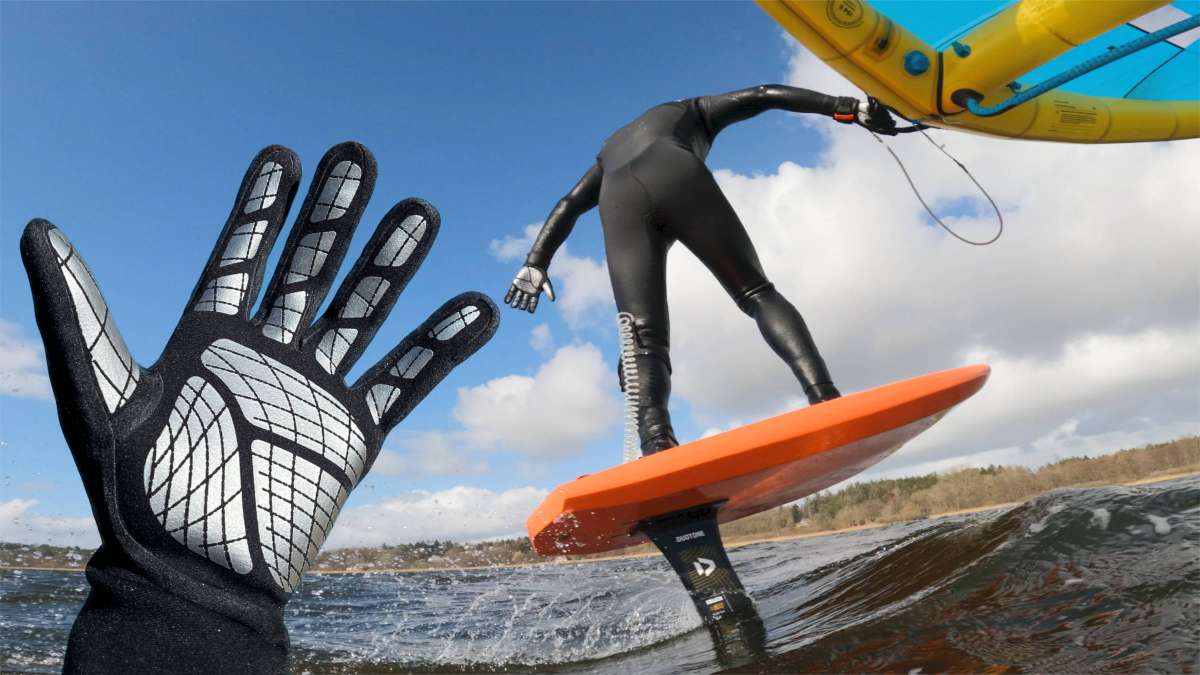
The palm of the Titanium Glove features an abrasion-resistant silicone print designed to provide a secure grip on the boom.
Putting it to the test:
We’ve used this glove model over the past two months while windsurfing and wing foiling in air temperatures ranging from 5 to 10°C (about 15 sessions). To minimize the amount of water that seeps into the sleeves of the wetsuit and then runs into the gloves from the inside, we wore an additional Velcro strap on the sleeves.
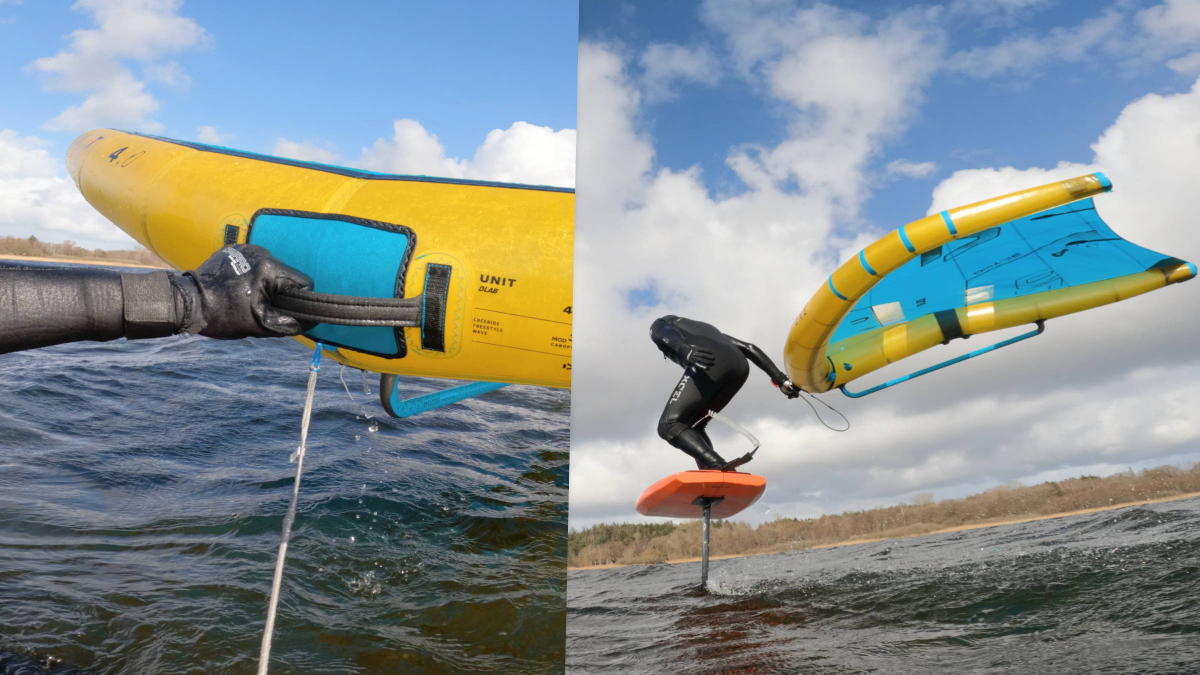
The glove is waterproof and allows for fatigue-free handling. It offers a good grip, so you won't have any issues even during long sessions. However, due to the thin material, the temperature range is a factor to consider.
At an air temperature of 8–10°C, you can spend 3–4 hours on the water wearing these gloves, and you can quickly warm up cold hands by circling your arms. Provided no water gets inside the gloves, of course, because wet hands get cold faster.
On colder days (5–7°C), your hands will still get cold even with these gloves. As long as everything stays dry, short sessions are perfectly fine, but the thickness of the material limits how warm they can keep you.
Wear and tear: By the 8th use, one of the gloves was no longer waterproof. All the taped seams were intact, but on the inside of the index finger and on the thumb, the inner material had worn through (the area under the most stress when gripping the boom), allowing water to seep in and causing the hands to get cold more quickly. A day later, the same damage appeared on the other glove.
It was still possible to use them on cold days, but without the comfort of having dry hands. That said, these gloves lasted significantly longer than any other thin, five-finger neoprene models (during intense riding in the waves and with lots of moves in flat water). When freeriding with a harness on long runs, the gloves can certainly stay waterproof for longer.
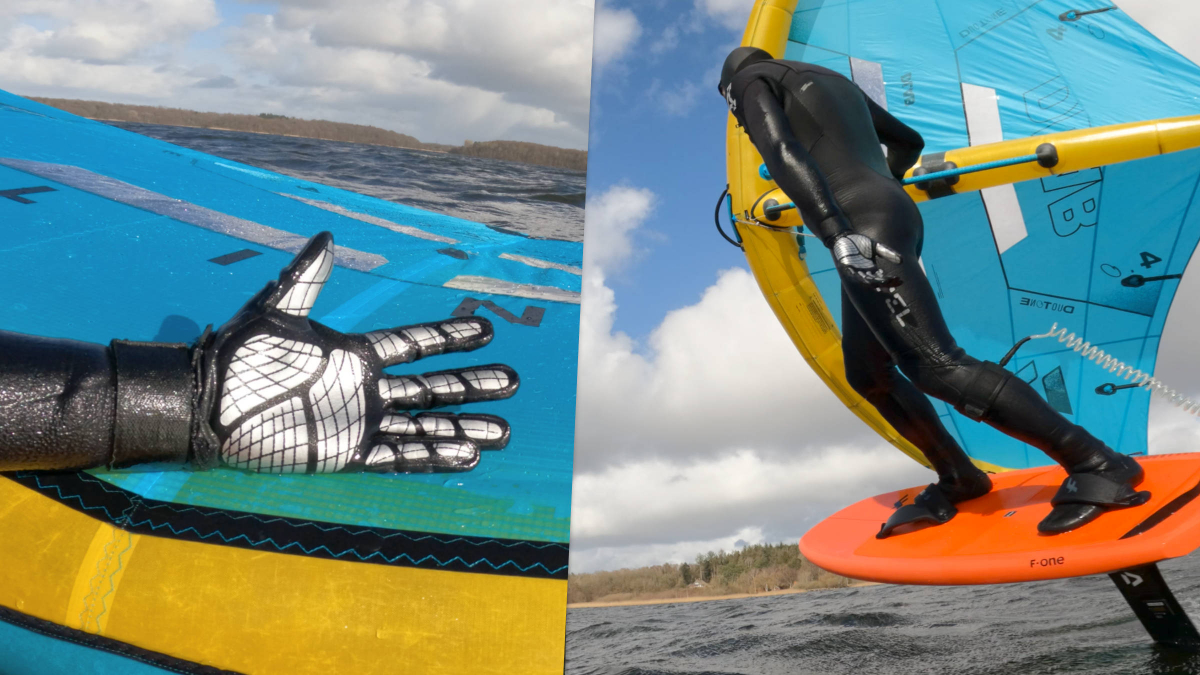
All in all, this is one of the best single-layer solutions available for winter gloves designed for water sports enthusiasts, allowing them to surf and foil without muscle fatigue.
Even if you wear this glove as an underglove beneath a dishwashing glove, you can still benefit from the insulation provided by the 1-mm neoprene layer and stay dry all winter long.
April 10, 2026 © WING DAILY | text: Jürgen Schall | photos/graphics: Jürgen Schall | translation: DE