Did a screw break off in the foil mast?
You can use a screw extractor to remove a broken threaded screw from the foil mast
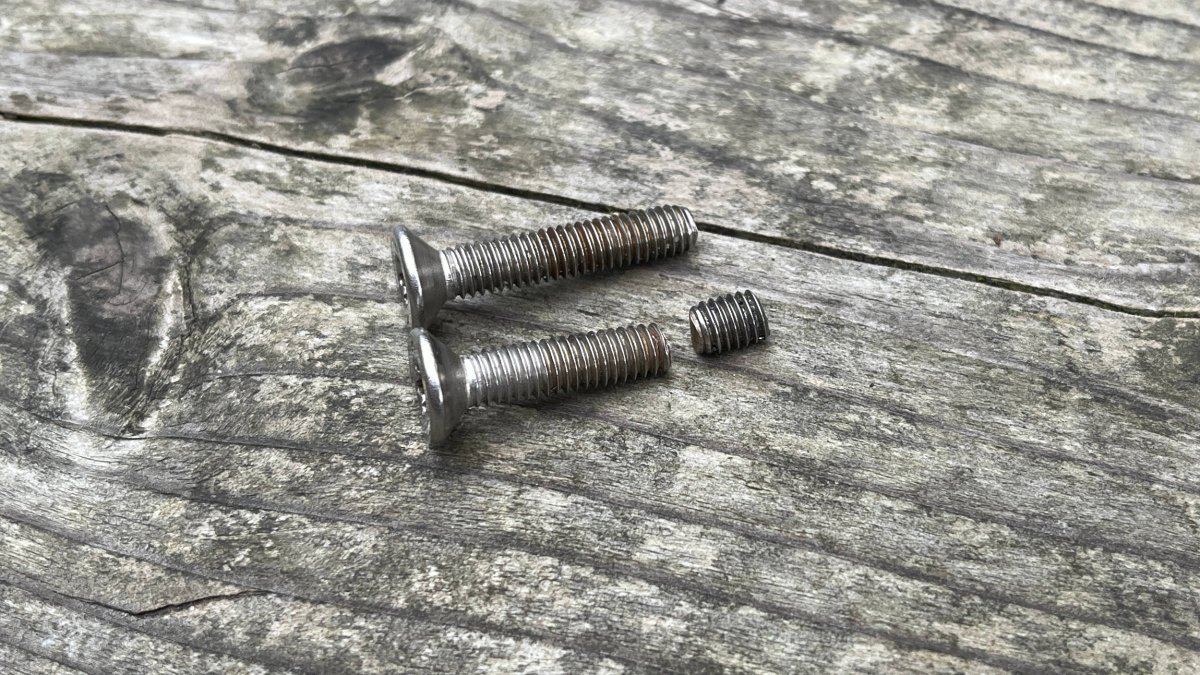
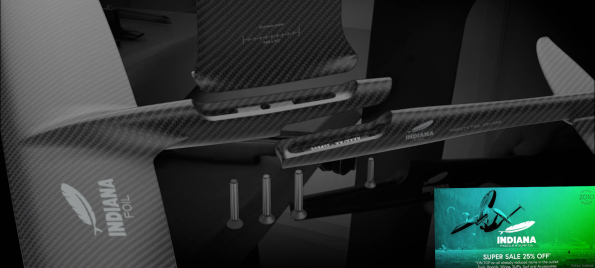
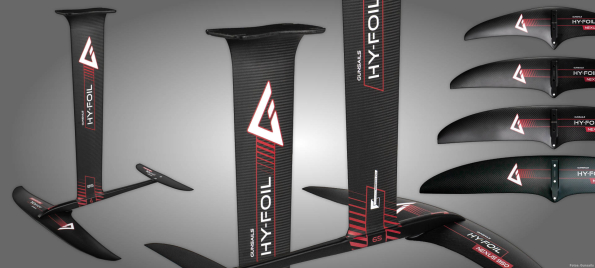
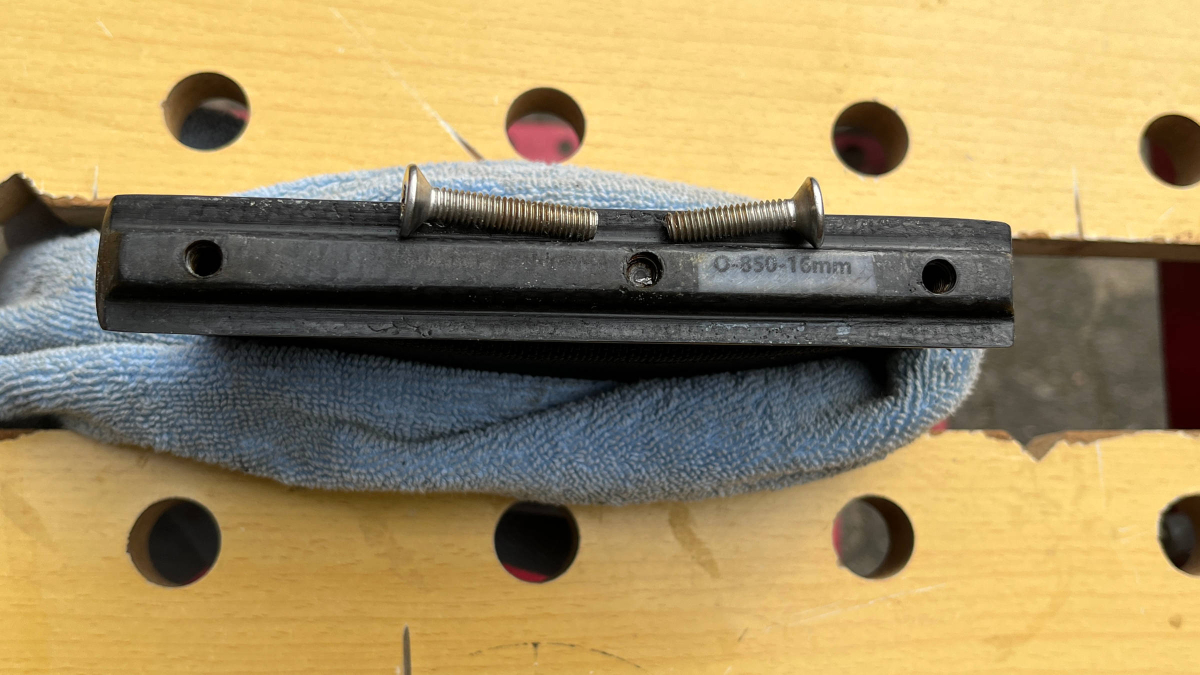
Most foil manufacturers use a bolted connection to join the fuselage and the mast. The fuselage is secured to the mast with two to three countersunk threaded screws (M8 or M6). This connection is typically a force-fit; the tension of the screws presses the two components together.
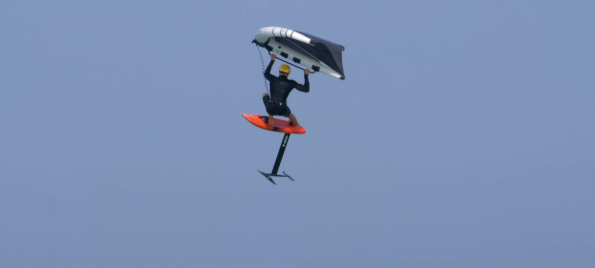
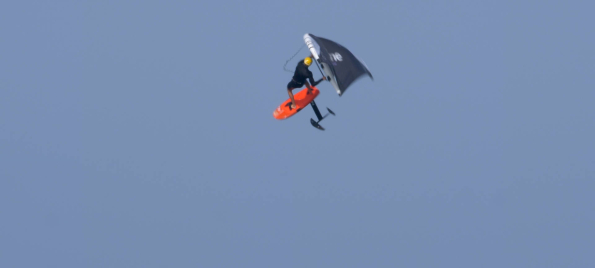
Due to high loads (lever forces from the front wing during landings after jumps) or if the screws are tightened with too little or too much torque, they can stretch over time, bend while foiling, and ultimately snap off. When this happens, the bottom part of the screw remains stuck in the thread.
In the best-case scenario, the break is jagged enough that you can turn the broken threaded piece with two small flathead screwdrivers. Penetrating oil can help reduce friction.
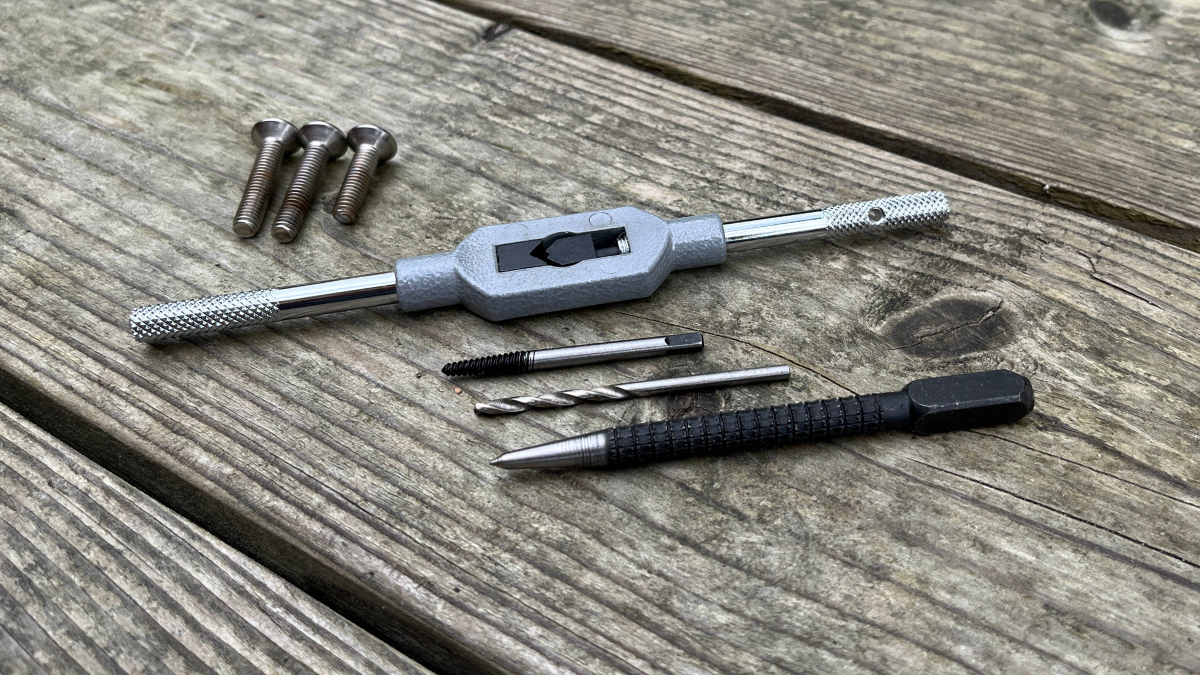
However, if the broken piece of screw is stuck and also deep within the thread, there is only one solution: a screw extractor (also called a left-hand extractor).
This tool is inserted into a screw that has been pre-drilled from above and then turned counterclockwise (to the left). The tapered left-hand thread screws into the remaining portion of the broken screw until it becomes stuck. Continuing to turn it counterclockwise then dislodges the screw fragment from the right-hand thread.
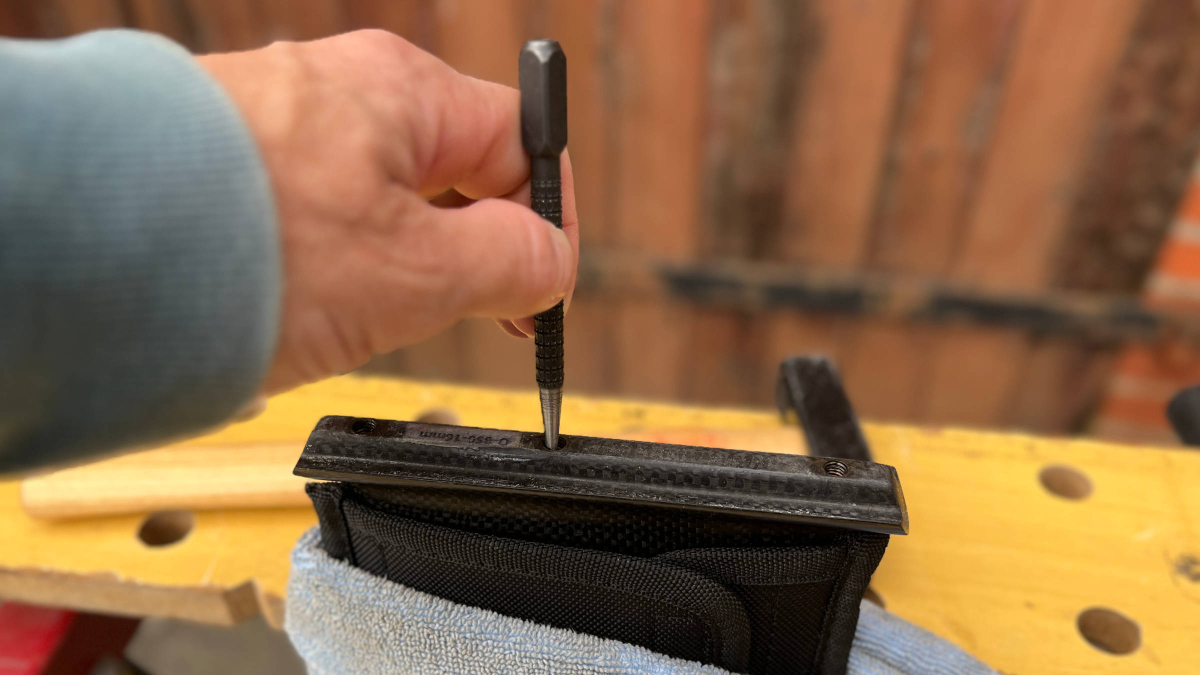
To be able to use the screw extractor, you must first drill into the stuck screw. To do this, use a center punch (a steel tool with a conical tip) to mark a hole in the center so that the drill bit does not slip while drilling. Alternatively, you can use a very thin 1-mm drill bit (with a precision tool such as a Proxxon), followed by a 3-mm drill bit to create a hole with the correct diameter for a 3-mm left-hand screw extractor.
The material of the drill bit is important, as foil screws are typically made of V4A stainless steel. A twist drill with a cobalt metal (HSS-Co or HSS-E) is required for the operation to be successful. Standard metal drill bits will wear out or overheat.
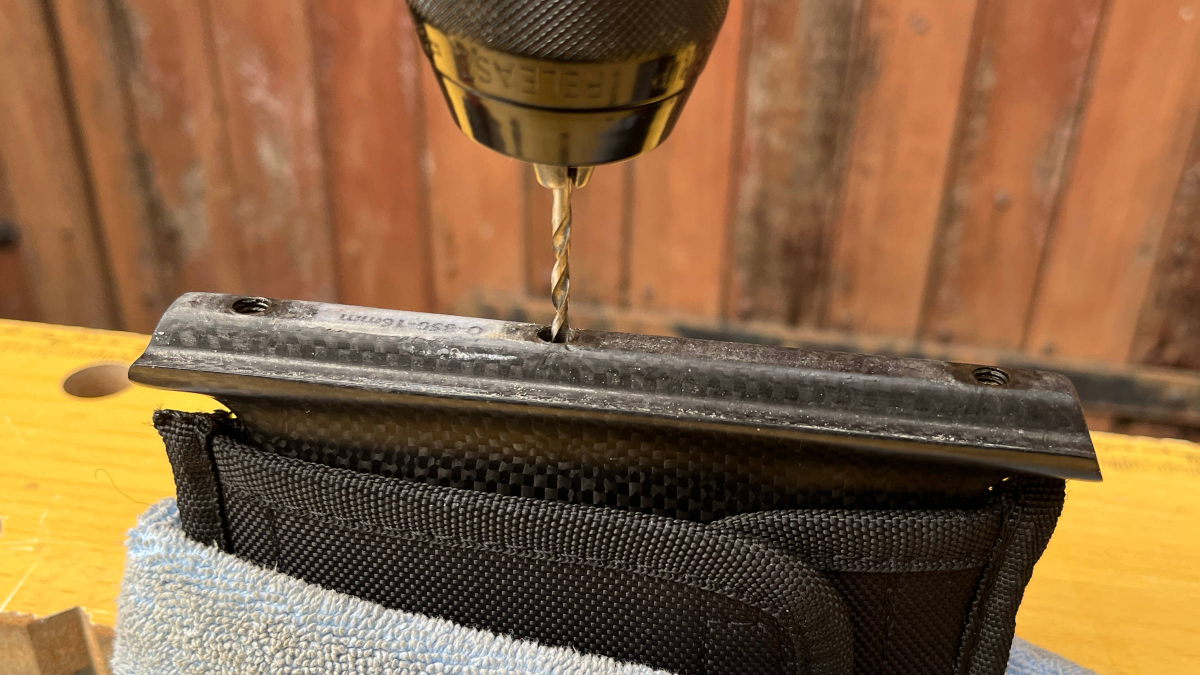
Be careful not to damage the threads in the foil mast. This can happen if the drill bit slips. The mast should be securely clamped in a workbench (in the cover and additionally wrapped in a towel to distribute the pressure). Drill exactly at a 90-degree angle from above.
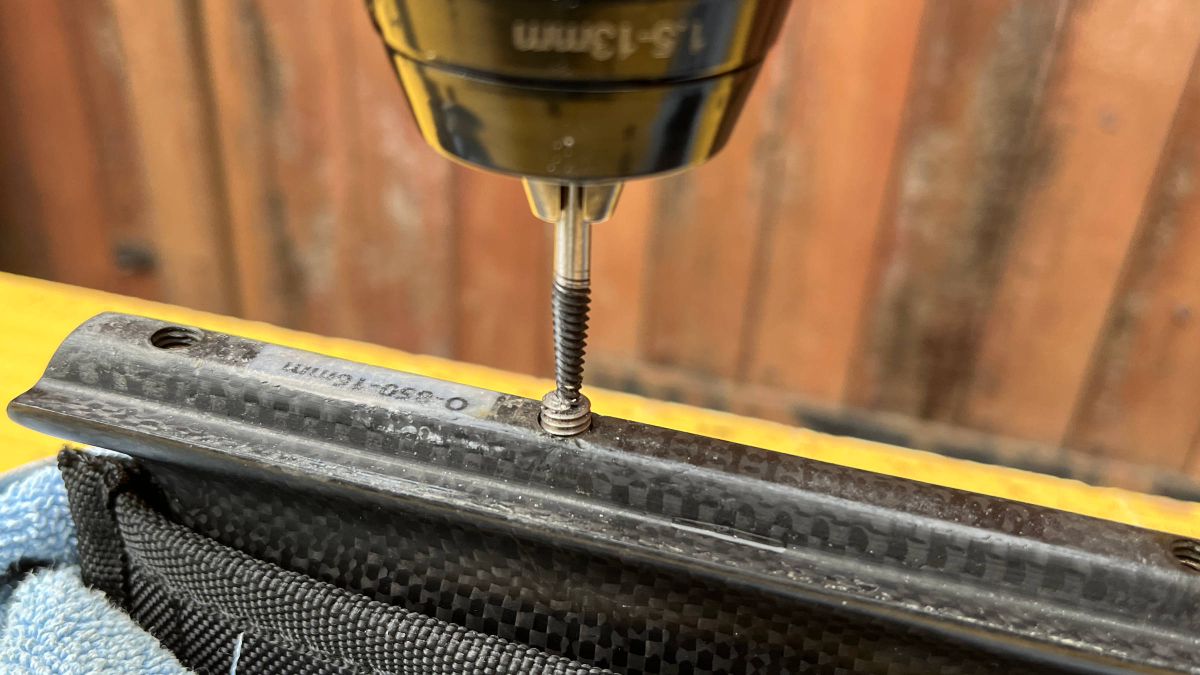
Clamp the screw extractor in a vise or secure it in a cordless drill (set to counterclockwise rotation, low speed), then turn it in with light pressure until it grips.
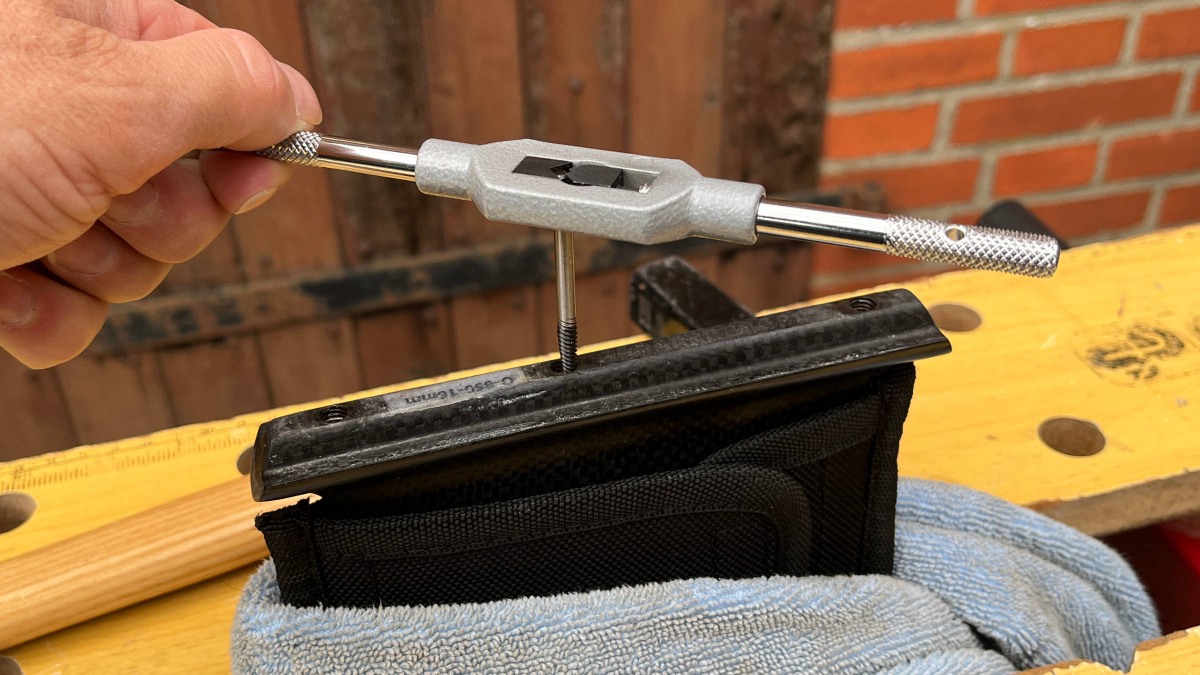
After successfully removing the screws, you should ideally replace all of them and check them regularly thereafter. As soon as a screw thread is no longer straight (the screw will wobble when rolled on a flat surface), it’s time to replace it. Switching to titanium screws can be particularly beneficial for thin M6 screws.
If you don't want to perform the repair yourself or if your attempt was unsuccessful, you can find suitable providers for foil repairs in our repair provider directory:
www.wingdaily.eu/repair-service/foil-repairs.htm
October 19, 2026 © WING DAILY | text: Jürgen Schall | photos/graphics: Jürgen Schall | translation: DE